



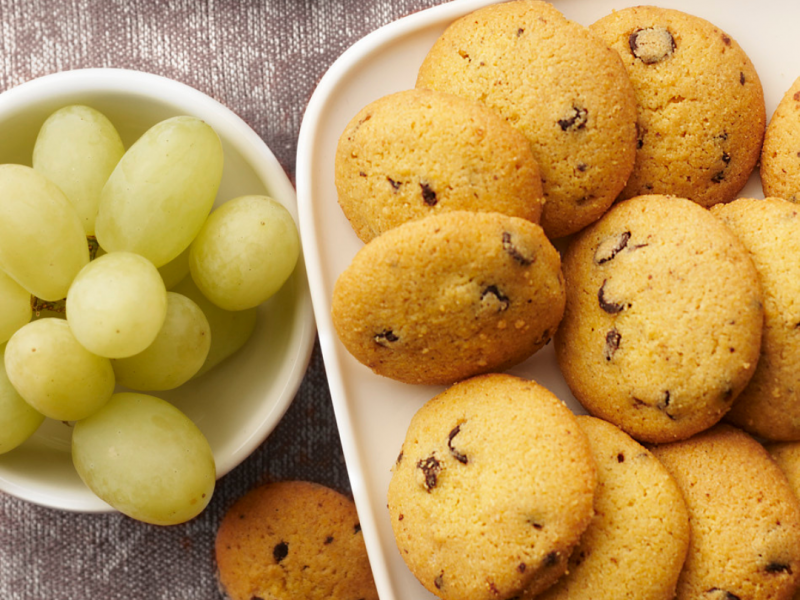
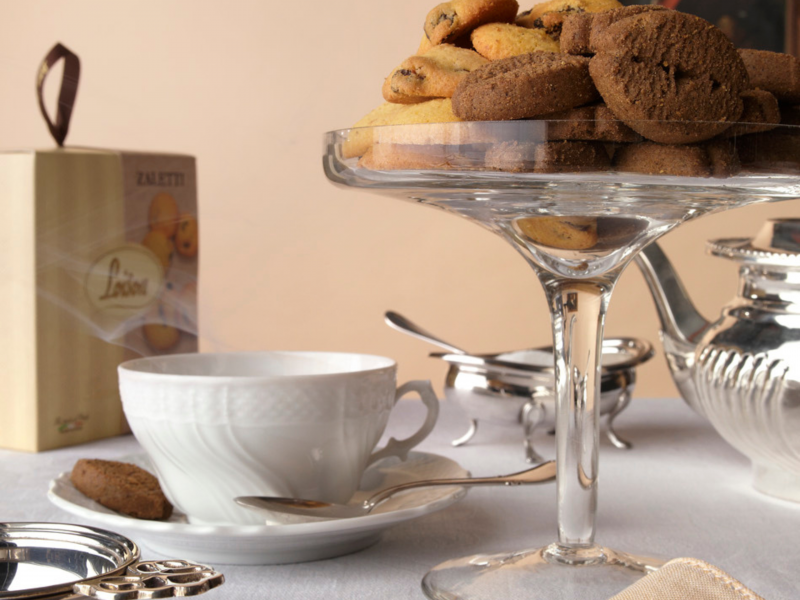
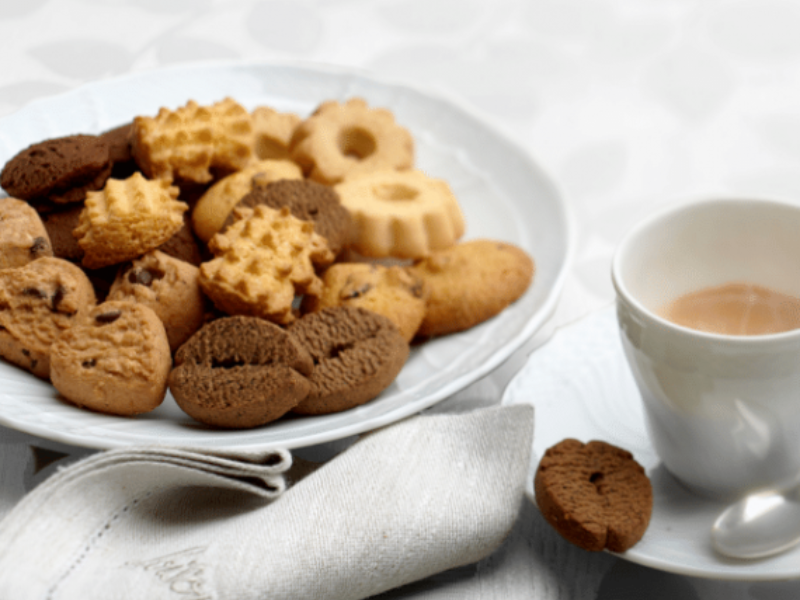
Zaletti, also known as zaleti, zaeti or gialletti, are the most famous biscuits of the Venetian and Veneto tradition. The curious name of these biscuits comes from the use of corn flour, which gives this sweet its typical zàlo colour, meaning yellow in the Venetian dialect. The zaletto is a biscuit of humble, rural origins, as suggested by the use of corn (the poor ingredient par excellence), yet over time it became one of the dry pastries most loved by the Venetian nobility, who over the centuries enriched the recipe with butter and sultana raisins, sometimes left to macerate in grappa.
The History of Venetian Zaletti
The goodness of this crumbly and flavourful sweet has led several important figures to write about the zaletto over the years.
Carlo Goldoni, Brighella and the Zaletto
The first important testimony about this biscuit comes from the celebrated Venetian playwright Carlo Goldoni, who mentioned it in his 1749 comedy “La Buona Moglie”. In a witty exchange, Marquis Ottavio, reduced to poverty, wants to impress Bettina by arranging a lavish dinner, completely beyond his financial means. When Bettina asks him to add some prized fresh grapes from Bologna to the shopping list, at the time a luxury product, the servant Brighella replies sarcastically. Here is the exchange in which the biscuit is mentioned.
Ottavio: Fa una cosa [Brighella], compra due libbre di carne di manzo, una libbra di riso, e fa che vi sia da cena per questa sera.
Bettina: Ma che vi sia l’uva fresca di Bologna.
Brighella: Se ghe piase la uva, per spender manco, ghe porterò un par de zaletti col zebibo.
Vincenzo Agnoletti and the Ancient Recipe
In 1803, Vincenzo Agnoletti, a Roman author and cook, also mentioned this traditional biscuit in his book “La nuova cucina economica”. There, the author describes ingredients that are slightly different from those known today, suggesting that this sweet did not yet have a codified recipe. According to Agnoletti, zaletti were made with corn flour mixed with wheat flour, with the addition of yeast, orange zest and butter. At the end of the process they were brushed with a sugar glaze.
The Goodness of the Zaletto According to Pellegrino Artusi
One final “illustrious” mention comes from the famous recipe writer Pellegrino Artusi. In his 1891 book “La scienza in cucina e l’arte di mangiar bene”, considered the first manual of Italian cuisine, Artusi wrote: “Dear mothers, amuse your children with these little yellow biscuits; but take care not to taste them yourselves, unless you want to hear them cry when, as is very likely, only the smaller share is left for them.”
In short, according to Artusi, the Zaletto is such a delicious biscuit that it is truly irresistible, even for the little ones.
