



The sbrisolona is a simple dessert that the peasants of the Mantua countryside would eat on festive evenings to regain the energy spent after long days working in the fields, yet it also managed to win the heart of a princess. A fascinating story, though one that few people know.
The History of Sbrisolona
The Legend of the Princess
The princess in question is Eleonora di Gonzaga, and the setting for this story is the marvellous Palladian villas that dot the countryside of north-eastern Italy. It seems that Eleonora Gonzaga stayed in several of these villas during the journey that was taking her to Innsbruck to marry Emperor Ferdinand II of Habsburg.
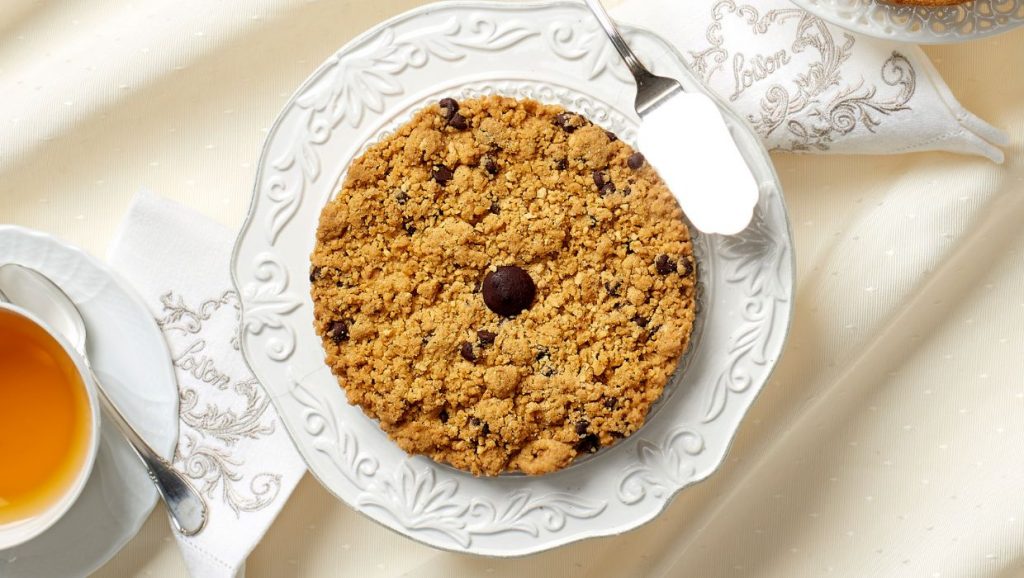
It was in the residences of the Venetian lords that Eleonora was struck by a dessert unlike the high-pastry cakes that 17th-century nobles were accustomed to eating at their banquets: a sweet made with just a few ingredients, which the princess immediately found irresistible. This dessert was precisely Sbrisolona, so called from the word “brìsa”, meaning crumb in the Mantuan dialect. The cake was made with poor, easily available ingredients, namely corn flour, lard and hazelnuts, and the nobles had learned to enjoy it by dipping its small, irregular pieces into delicate passito wines.
The future empress was so impressed by the goodness of this dessert that she ordered sbrisolona to be prepared for her every time she returned to visit her relatives in Mantua.
In the Kitchens of the Gonzaga
It was precisely in the Gonzaga kitchens that sbrisolona ceased to be a popular dessert and became an example of refined pastry-making. The creator of this transformation was the court cook Bartolomeo Stefani, who was also the author of the important culinary text “L’arte di ben cucinare et istruire i men periti in questa lodevole professione”. Stefani decided to adapt sbrisolona to the needs of a princely court. He replaced lard, an animal fat of pork origin that was hardly suited to noble tables, with the finer ingredient butter; he replaced hazelnuts with almonds and also added a portion of white flour to the dough, thus creating the recipe for sbrisolona that we still know today.
We cannot be certain that every element of this legend is true, but what is certain is that this dessert, born in the countryside of north-eastern Italy and reworked at the Mantuan court of the Gonzaga family, became over the centuries an excellence of Made in Italy cuisine.
Sbrisolona Today
Today this cake is a symbol of Northern Italian pastry-making and, despite the changes made to the recipe over the centuries, it is still enjoyed in moments of conviviality and accompanied by a glass of fortified wine or grappa. It was precisely the simplicity and great tradition of this dessert that led Dario Loison to take an interest in the incredible story it conceals.
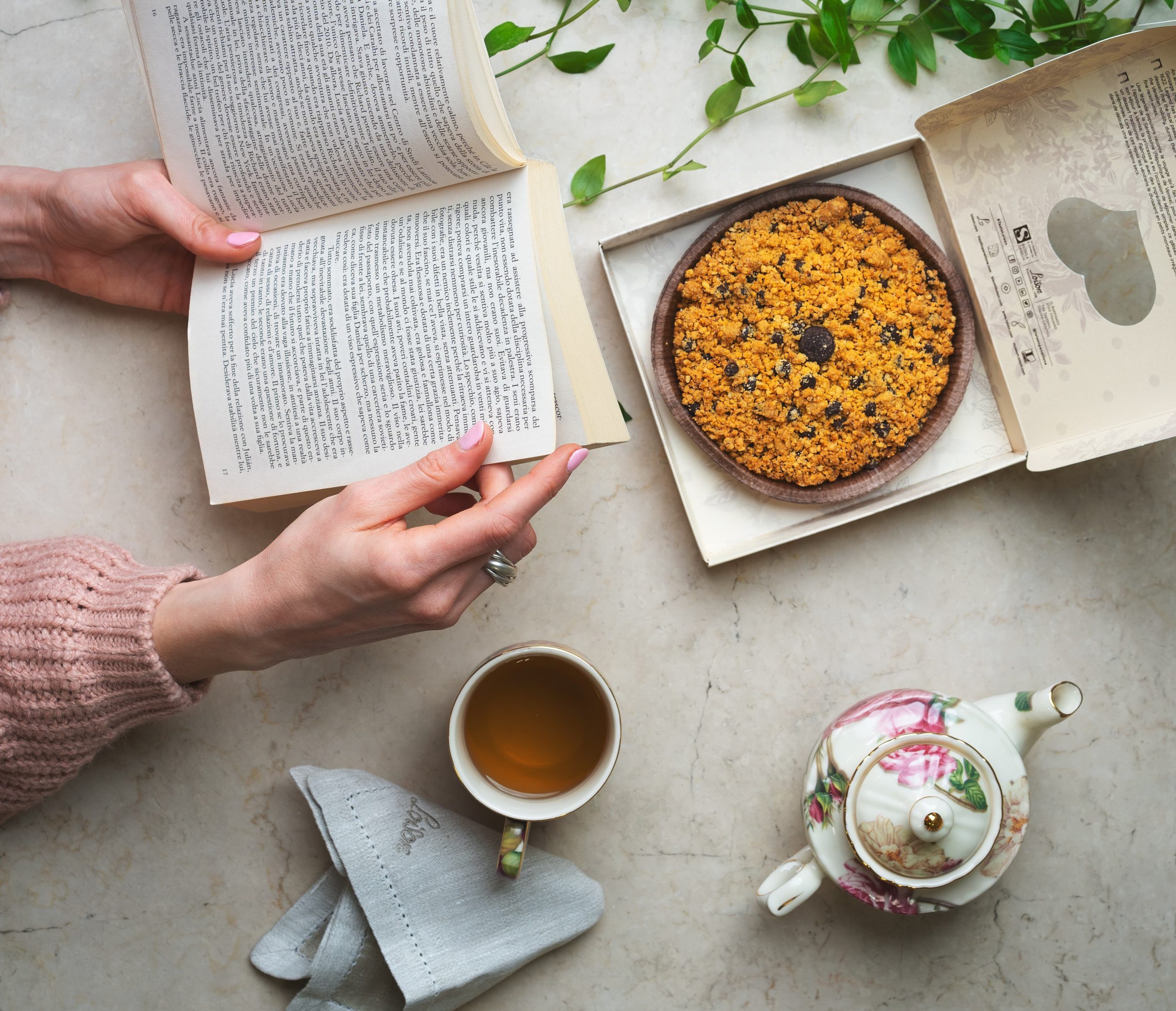
For this reason, more than four centuries after the events involving Eleonora Gonzaga, Loison wished to pay tribute to sbrisolona by creating Sbrisola, a small cake of just 300 grams, yet rich in all the passion and artisan quality that distinguish its products. Inspired by the work of Bartolomeo Stefani, Dario and our master artisans created six different recipes that start from tradition, with Sbrisola Mandorlamais, and move towards more original ingredient combinations, such as the irresistible Nocciolaciocco, Pistacchio, Nocemiele and Nera, as well as the innovative Risomenta, made with fresh mint leaves and rice flour.
If you are interested in discovering how Loison has reinterpreted this cake, which won over Empress Eleonora Gonzaga, watch the presentation video on our YouTube channel.
